
★★★★★
You won't find more caring and patient instructors. Sensei Curtis is kind, gracious, and truly cares about each and every one of his students and their progress.– Alex Avedikian
5005 Hwy 33 | Saginaw, MN 55779 | 218.348.6109 | info@hayashinodojo.com

Saturday Judo & Jiu Jitsu — By appointment only.
Contact us to arrange a session →
All class times are local to Saginaw, Minnesota.
Close calendar ↑Saturday Judo & Jiu Jitsu: By appointment only.
Experienced teachers dedicated to helping you grow on and off the mat.
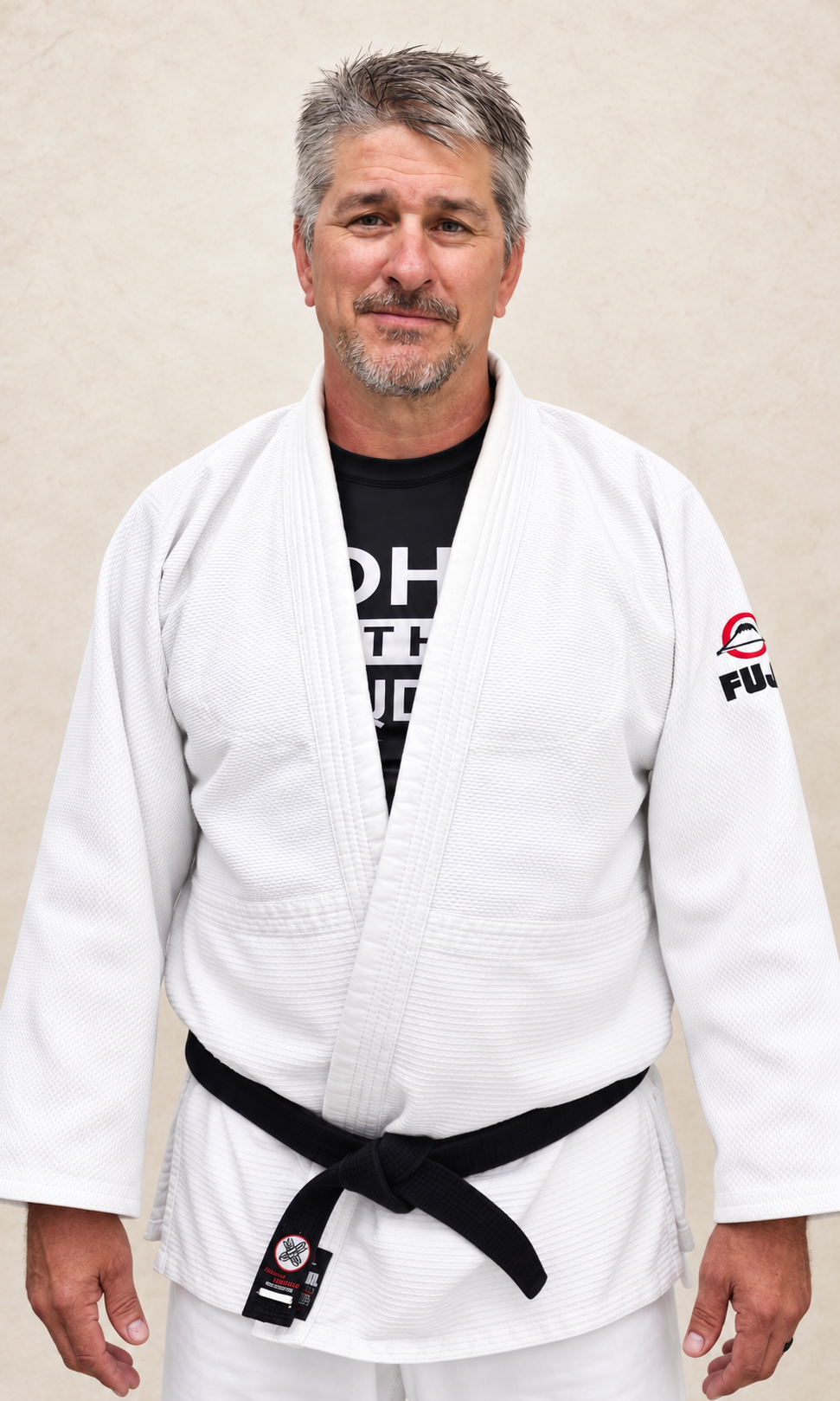
Head Instructor
Shodan (1st Dan) – Judo
Sandan (3rd Dan) – Danzen Ryu Jiu Jitsu
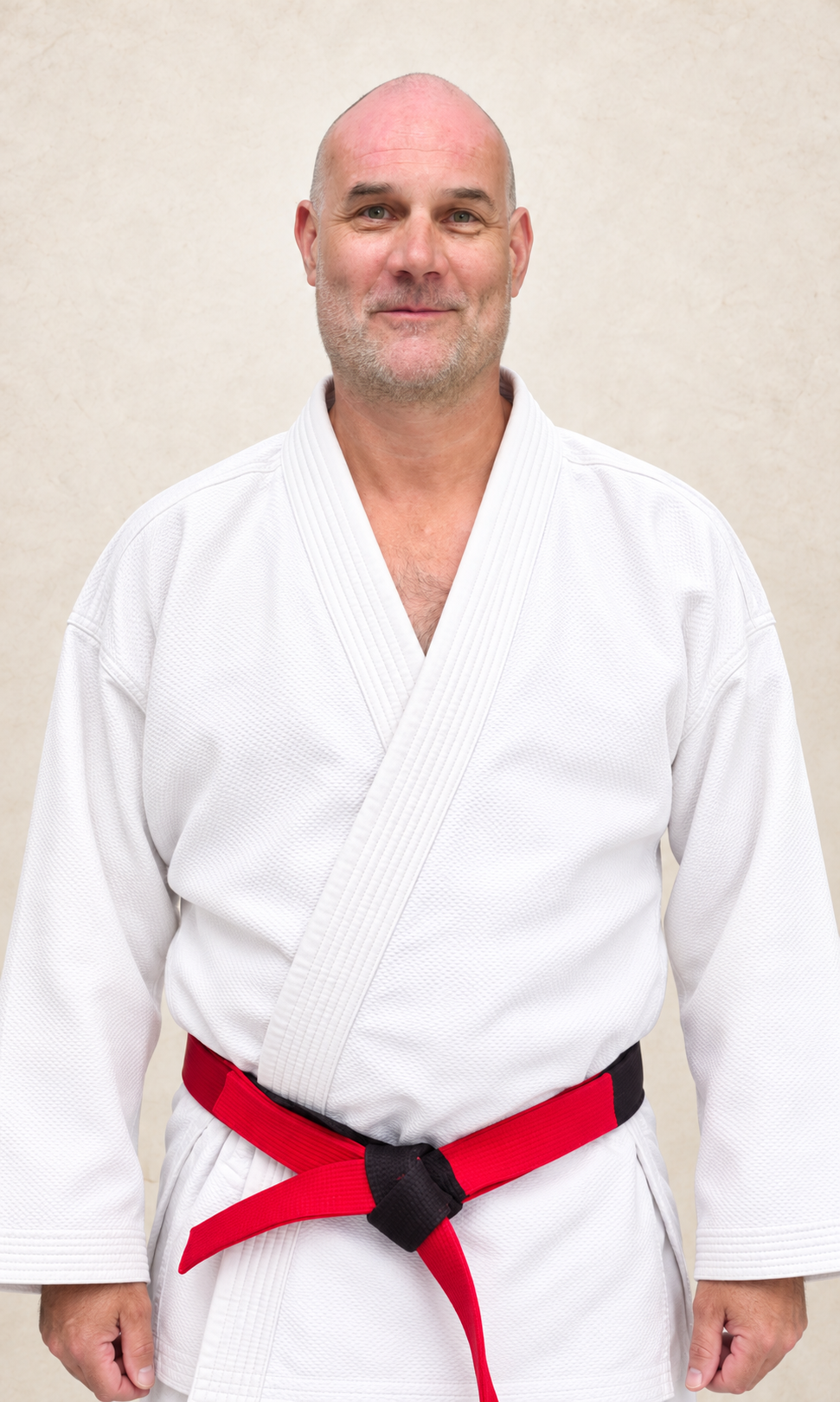
While both are grappling arts that share historical roots, their primary focus differs:
No, you do not. You don’t need to get fit before starting. Judo and BJJ naturally build functional strength, flexibility, and cardiovascular endurance over time. Beginners are encouraged to train at their own pace.
Combat sports carry some inherent risk, but both arts emphasize a controlled and respectful environment.
For most beginners, the sweet spot is 2 to 3 times per week. This gives your body time to recover from the unique soreness of grappling while keeping your training consistent enough to retain techniques.
If you don’t own a uniform yet, most gyms can loan you a Gi for your trial. Otherwise, wear comfortable, form-fitting athletic clothes like a T-shirt or rash guard and shorts without zippers or pockets, which can snag fingers or toes.
Absolutely not. People start both arts well into their 40s, 50s, and beyond. BJJ can be especially accommodating because you can slow the pace and rely on leverage rather than athleticism.
To keep sparring safe, these actions are banned in standard gym training:
5.0 ★★★★★
Google Reviews
Based on 3 reviews
You won't find more caring and patient instructors. Sensei Curtis is kind, gracious, and truly cares about each and every one of his students and their progress.– Alex Avedikian
Curt is awesome and patient with the littles! It’s the first sport my kid was drawn to and stayed consistent with. Big thanks to curt!!– Stephanie Ziesmer
Five-star rating
No written comment
Head Instructor
Rank(s):
Shodan (1st Dan) – Judo
Sandan (3rd Dan) – Danzen Ryu Jiu Jitsu
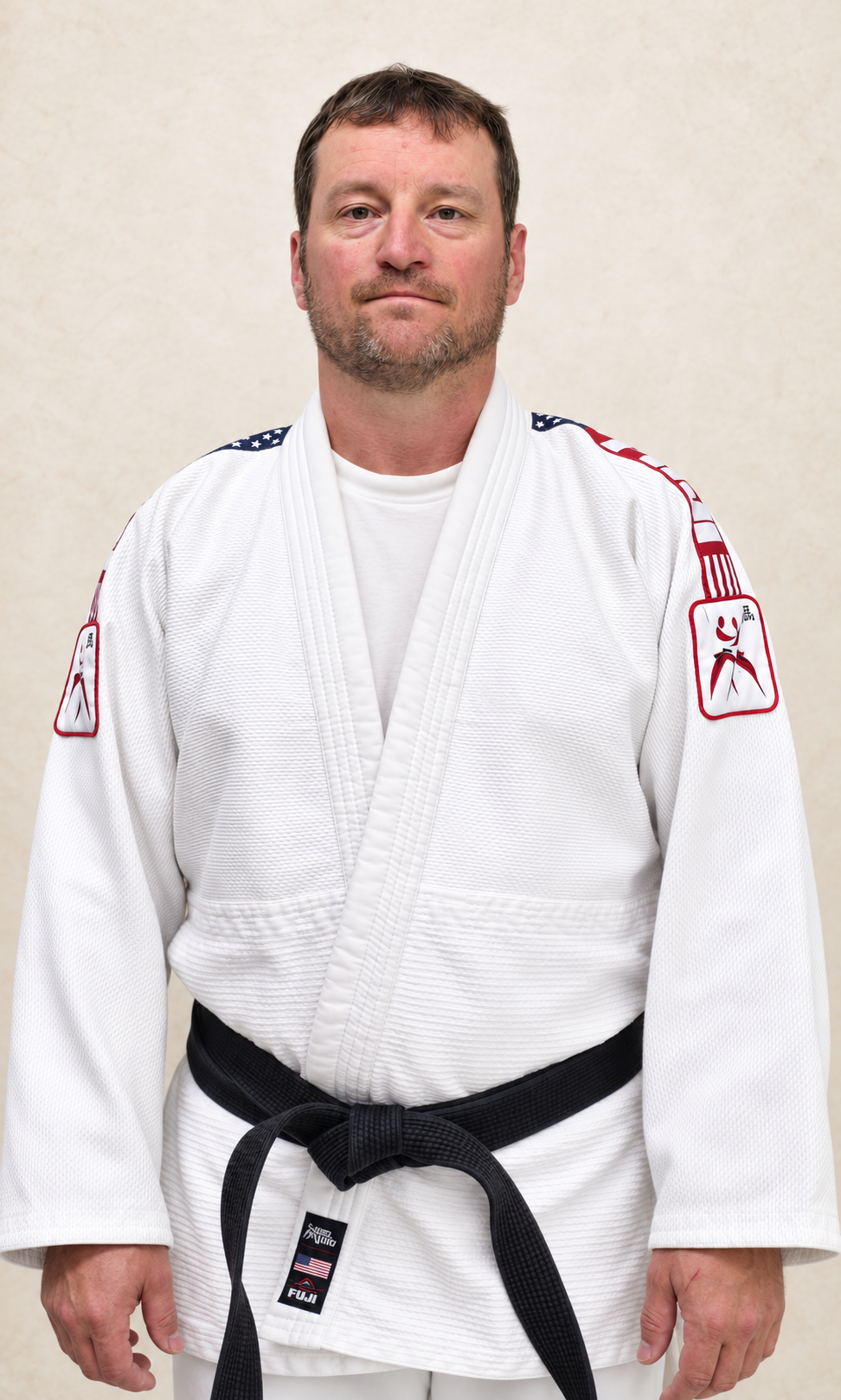
Curt Fernandez competed in judo throughout Minnesota, Wisconsin, and Iowa until 2001. In 2020, he took over the jujitsu school from Gene Estla and began training with Pedro Judo, earning the ranks of Sankyu and Nikyu.
In 2023, Curt began training under Steve Cohen. He continued his judo progress by taking the Shodan examination in 2024.
Assistant Instructor
Rank(s):
Godan (5th Dan) – Danzen Ryu Jiu Jitsu
Jason Davis began his martial arts training in 1990 and has studied Shotokan Karate, Tang Soo Do, Judo, and Jujutsu. He has competed successfully in each of these arts, though his focus is on Dan Zan Ryu Jujutsu and Judo. He earned his AJJF Godan (5th-degree black belt) in Dan Zan Ryu Jujutsu while training under co-sensei Ward Melenich and Sohn Wehseler. He is also certified in Seifukujitsu, the healing art of Danzan Ryu.
In addition to teaching Jujutsu at the University of Minnesota Duluth (UMD), Jason trains and assists at Kuroinukan & Duluth Judo Club. He is a graduate of both UMD and the University of Minnesota and is employed by UMD.
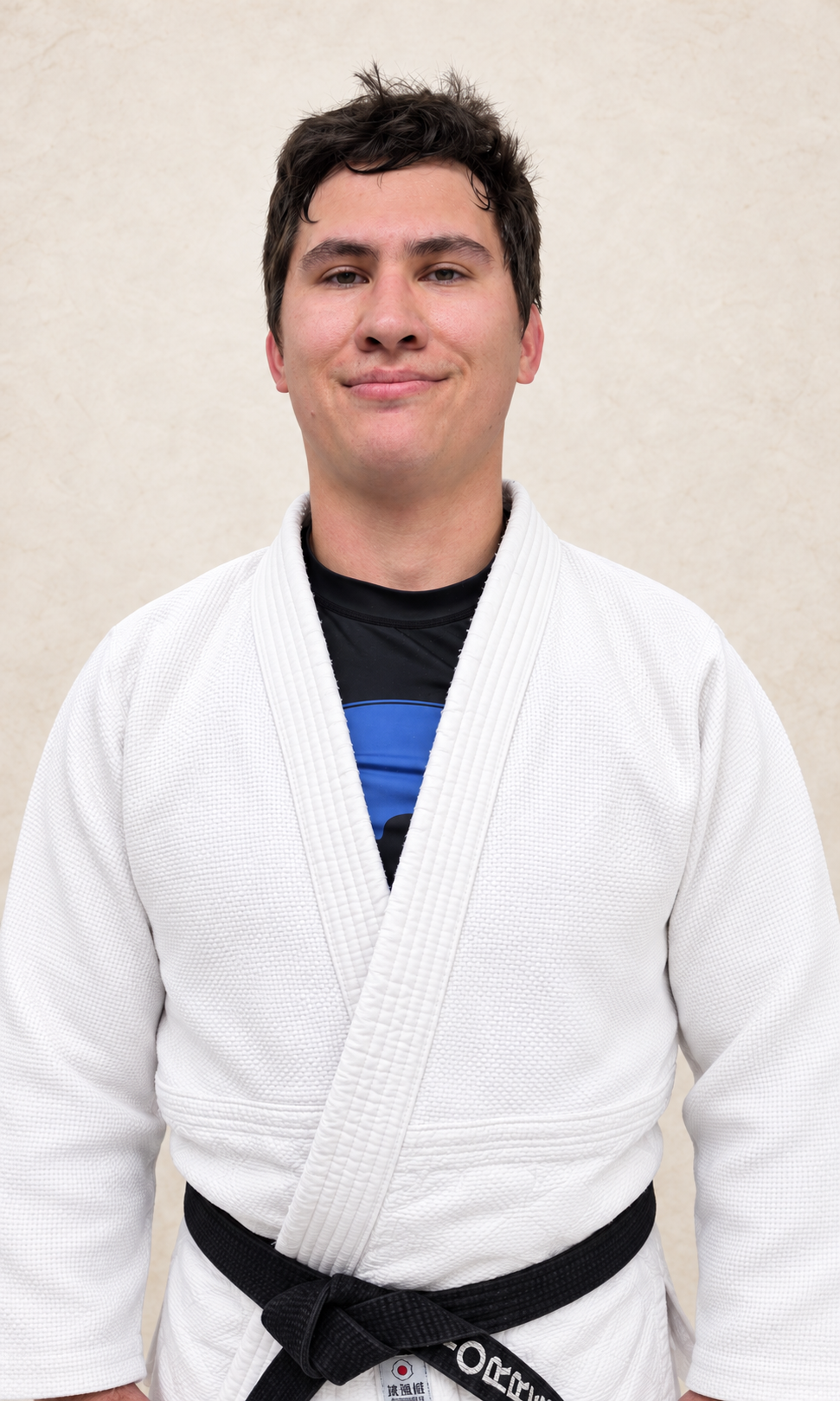
Assistant Instructor
Rank(s):
Shodan (1st Dan) – Judo
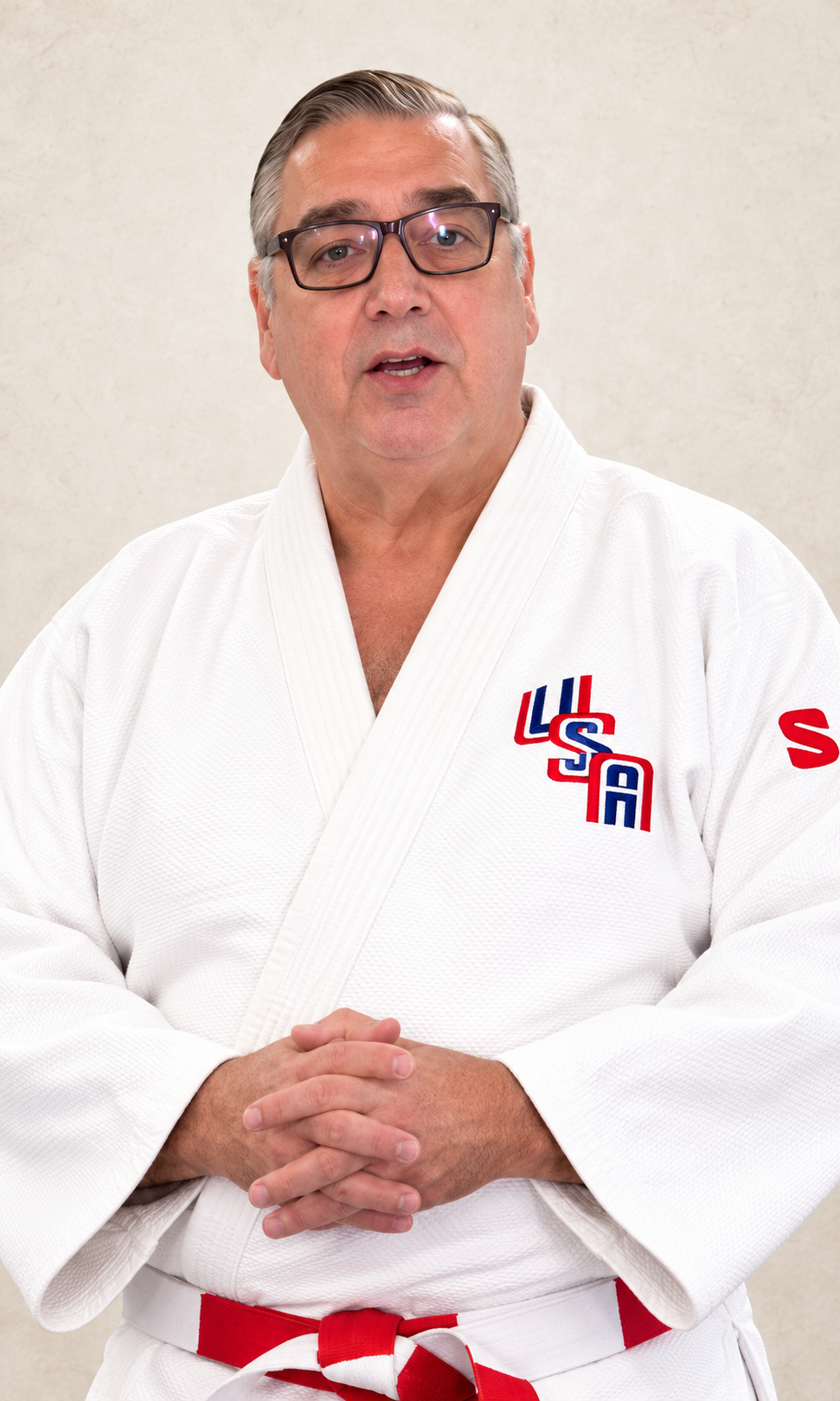
Torrence Savage began practicing judo under sixth degree black belt Jeff Przybilla in 2015.
Torrence has competed locally and regionally, both in Judo and BJJ.
While judo has been his primary art, Torrence has cross trained across several arts, and at many gyms.
He has a holistic philosophy in Judo, using all tools available to train, including forms, sparring, and historical education. His training style emphasizes the use of a thorough curriculum and focuses on the safety of his students.
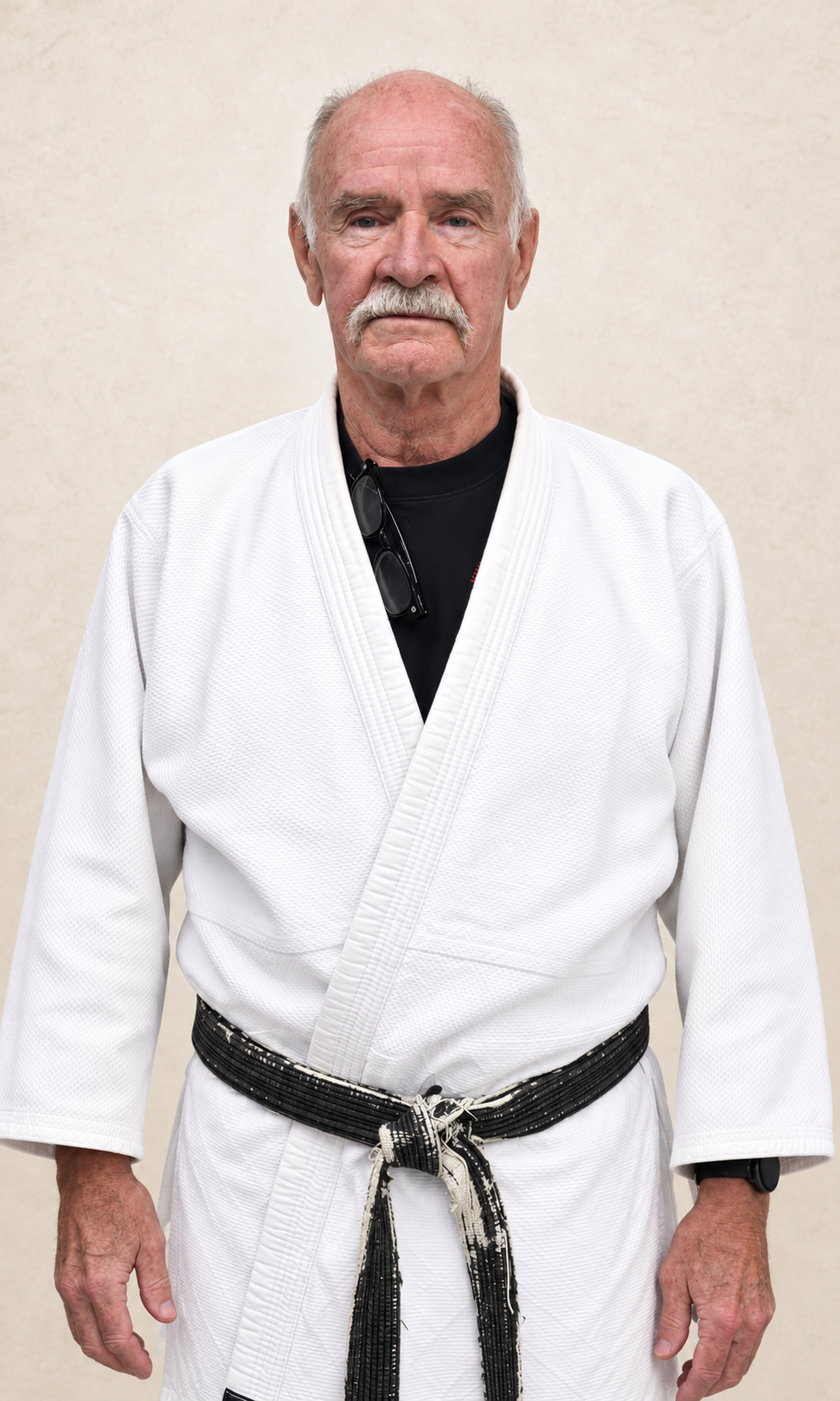
Assistant Instructor
Rank(s):
Nidan (2nd Dan) – Danzen Ryu Jiu Jitsu
Gene began training in Uechi Ryu in 1967 and started studying Dan Zan Ryu in 1980. In 1982, with the help of Professor Pat and Maureen Brown, he started a Dan Zan Ryu school. He earned Shodan in 1983 and Nidan in 1987.
Gene continued at the jujitsu school until 2019 and continues to train at its current location.
Assistant Instructor
Rank(s):
Nidan (2nd Dan) – Danzen Ryu Jiu Jitsu
Robert began his Dan Zan Ryu journey in 2019, training with support from the AJJF community and its schools. In 2023, he earned his AJJF-certified Shodan (1st Dan) rank, followed by AJJF Nidan (2nd Dan) in 2026.
He is currently exploring and training toward Sandan (3rd Dan) in Dan Zan Ryu.
Assistant Instructor
Rank(s):
Hachidan (8th Dan) – Judo
Steve Cohen developed programs to teach young athletes judo with the goal of helping them reach their Olympic potential. His approach builds a strong foundation through discipline and repetition, while developing work ethic and inspiring achievement.
These programs have produced more than 100 national champions, over 15 Olympians, three world champions, and five Olympic medalists. Steve continues to develop athletes of all ages and support judo schools across the United States.
There will be no Pre-K or Grade School Judo Classes this Month, Classes will resume in January